


Teen Counselling
for Anxiety, Stress & Depression
Online Counselling in Sydney and Australia
When your teen is struggling, it can be difficult to know what will actually help, especially when they’re shutting down, overwhelmed, anxious, angry or simply don’t want to talk to you about what’s going on.
I offer relaxed, practical online counselling for teens and young people, giving them a private space to talk without pressure while developing tools to better understand and manage what they’re experiencing.
What teen counselling can help with
Anxiety and overthinking
School pressure and burnout
Friendship struggles
Low self esteem
Family conflict
Social anxiety
Emotional shutdown
ADHD overwhelm
Identity and confidence
Motivation and stress
Grief and loss
Feeling misunderstood
If some of these sound familiar, counselling can give your teen a space outside of home to talk openly, make sense of what they’re experiencing and develop practical ways to cope.
Hi, I’m Jes
I’m a counsellor, but I’m also a human who laughs, gets distracted, has ADHD, loves a good analogy and doesn’t expect you to turn up to counselling with a perfectly organised explanation of what’s going on.
I’m naturally curious about people and what makes us think, feel and behave the way we do. I’m not interested in judging whether you should feel the way you feel. I’d rather understand what’s happening underneath it and work out what might actually help.
Sessions with me are pretty relaxed. You can come in your pyjamas, bring snacks, laugh at something completely inappropriate, cry, swear, change the subject or tell me you have absolutely no idea what you want to talk about. We can go deep when you want to, or keep things practical when that’s what you need.
I won’t pretend to have all the answers, and I’m not here to tell you how to live your life. My job is to get to know you, help you make sense of what’s going on, and give you a place where for 60 minutes you don’t have to perform for anyone.
If you’re a teen,
read this
You might be here because a parent or caregiver suggested counselling. Maybe you’re not particularly excited about talking to a stranger. That’s okay.
You don’t need to convince me that things are “bad enough.” You don’t need to explain everything perfectly, and I’m not going to assume you’re being dramatic.
Counselling with me isn’t about sitting there while I analyse everything you say.
My role is to listen, help you make sense of things, and support you in a way that fits you. If you are neurodivergent, (like me, I have ADHD) or find it hard to put feelings into words, we will work around how you communicate.
Your privacy matters. Everything stays confidential, unless, I am worried about your safety or someone else’s, then we work together to make sure everyone is safe.
And one last thing: counselling does not have to be serious or formal every second. Wear comfy clothes, grab your snacks, and bring your sense of humour.
For Parents and Carers
Wanting support for your child can bring up a lot of uncertainty. Young people don’t always have the words for what they’re feeling, and overwhelm can sometimes come out as withdrawal, irritability or lashing out at the people closest to them.
Counselling gives them a space outside the family to feel heard without pressure or judgment, make sense of what they’re experiencing, and develop tools to communicate and cope more effectively.
Having support outside the family isn’t about blaming parents or assuming something is “wrong.” Sometimes it’s simply easier for a young person to talk openly when they aren’t worried about disappointing or upsetting someone they love.
Privacy is an important part of that process. Sessions give young people space to speak openly, while parents are still included where appropriate. It’s not about shutting parents out or keeping secrets; it’s about creating enough trust for counselling to be genuinely useful.
If there are concerns about safety or wellbeing, these are handled carefully and ethically. Where appropriate, and with your teen’s knowledge and consent, I can also work alongside their GP, school wellbeing team or other health professionals.
Parenting a teenager can be complicated. Seeking support can give them another trusted person in their corner while helping them build confidence, emotional resilience and communication skills they can carry into adulthood.
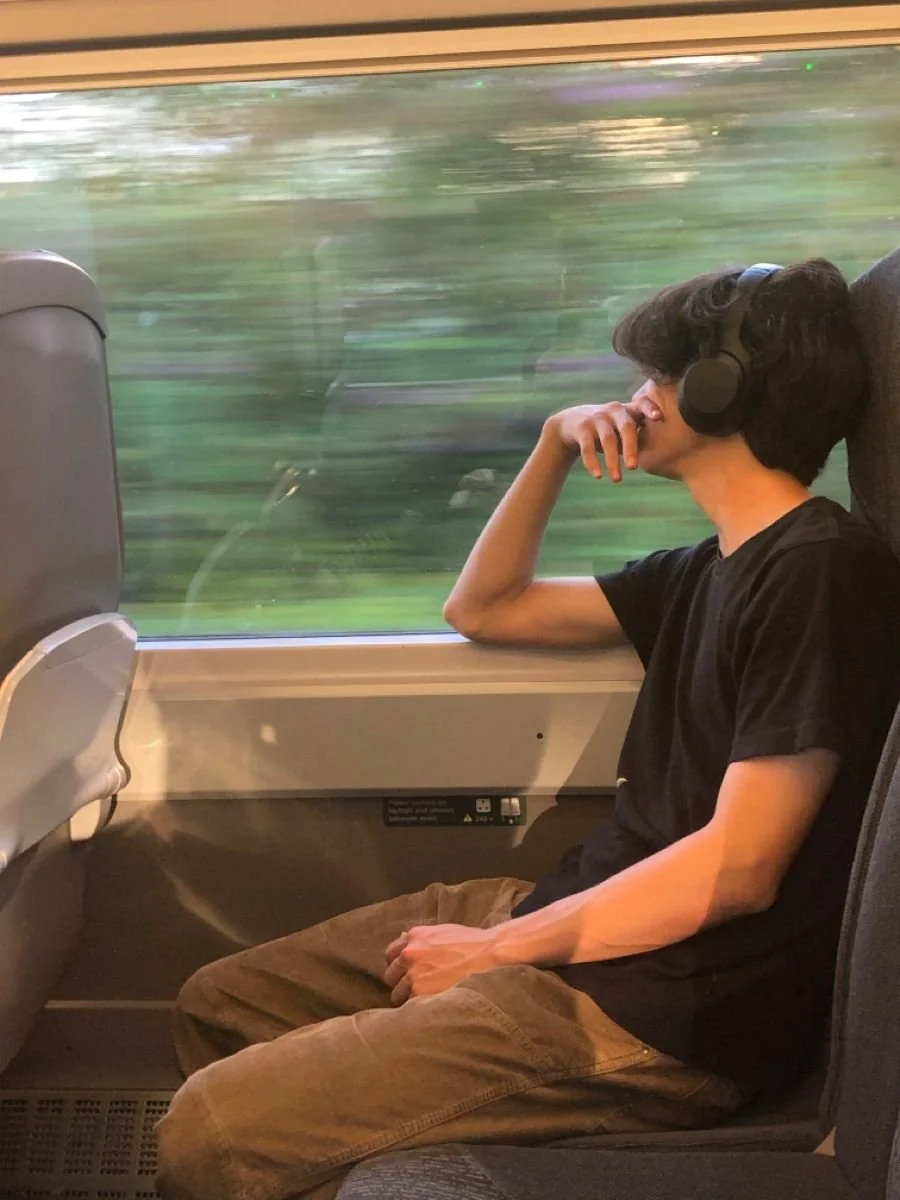
Explore some of my blog articles for teenagers and parents here
How It Works
1. Book online
Choose an appointment time that suits.
2. Complete your intake form
This gives me some background before we meet.
3. Meet online
Sessions are 60 minutes and held via video from somewhere comfortable and private.
4. We take it fom there
We can talk about what support would be useful and whether you’d like to continue.
60 minutes · $180 · Online